
When someone is pulled over under suspicion of driving under the influence, law enforcement often conducts a breathalyzer test to measure blood alcohol levels. For many, this test can feel like a final judgment, as though it automatically proves guilt. However, breathalyzer tests are not always accurate. In fact, many factors can impact the reliability of these results. That’s why, in some DUI cases, attorneys seek the support of witnesses who can carefully examine and explain the breathalyzer test’s accuracy.
Breathalyzer tests might seem simple, but their results are actually complex. They don’t measure alcohol levels in the blood directly. Instead, they analyze the air in a person’s lungs and use that to calculate blood alcohol content (BAC). Many factors can impact this reading. For example, medications, certain health conditions, and even common foods can interfere with accurate breathalyzer readings. A trained professional can help clarify these factors in court, explaining how a particular reading may not be reliable. At, Sabol & Mallory Law Firm, we are here to guide you through the legal process and help you navigate the complexities of your case.

Dan Sabol
Dan is the first attorney in Ohio to be both board certified in criminal trial law by the National Board of Trial Advocacy and be designated as a Lawyer Scientist by the American Chemical Society.

Chase Mallory
Chase Mallory is a firm founder whom has tried over 40 cases and conducted more than 100 suppression hearings. He is a founding member of the DUI Defense Lawyers Association
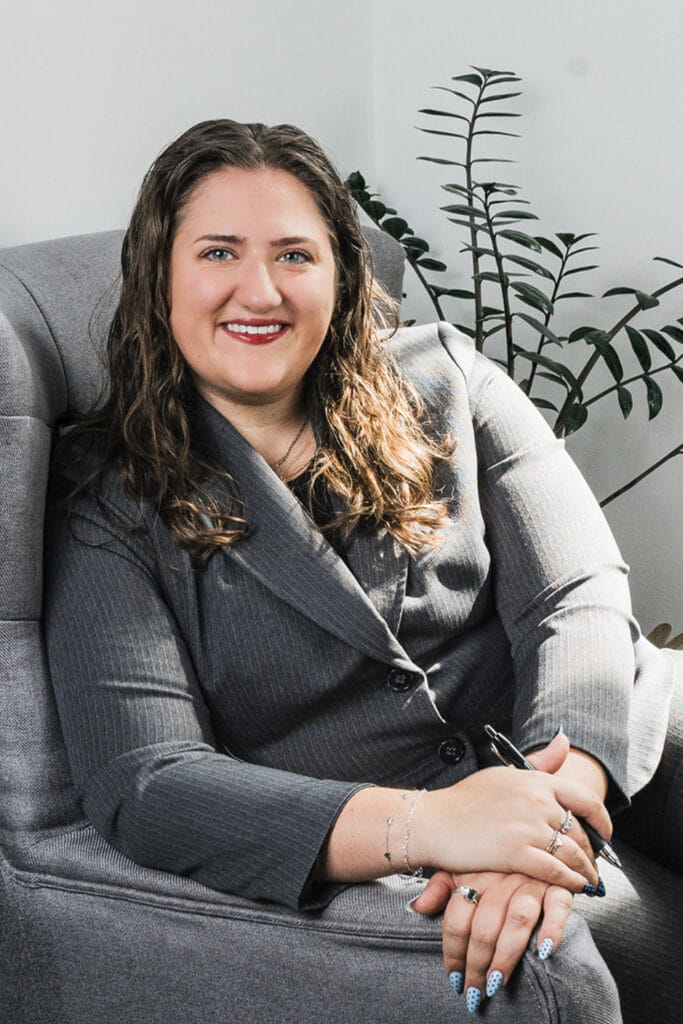
Kaitlyn O'Hara
Kaitlyn O’Hara is a criminal defense lawyer who began her work in the court room long before she attended law school. In her first year as an attorney, she was counsel of record on five jury trials.
Meet the lawyers who make up the legal team at Sabol Mallory LLC. Read their individual bios and get to know more about their education, experience and accolades.
Learn more about our teamUnderstanding How Breathalyzers Work
Breathalyzers measure alcohol levels in breath samples using different technologies. Some breathalyzers use a fuel cell, which is sensitive to alcohol in the breath. When the person blows into the device, the breath sample passes through the fuel cell, creating a chemical reaction that generates a small electric current. The strength of the current is used to estimate the person’s BAC. Other breathalyzers may use infrared light to measure alcohol, where the light passes through the breath sample, and the amount absorbed is used to calculate BAC.
Despite these technologies, breathalyzers don’t directly measure alcohol in the bloodstream, only alcohol on the breath. This means that they make an estimate based on a breath sample. An expert witness can explain how the breathalyzer’s measurements are only estimates. This explanation can make a big difference for those accused of DUI, as it shows that breathalyzer results aren’t as perfect as they might seem.
Factors That Can Influence Breathalyzer Readings
When it comes to breathalyzer tests, many outside factors can alter the results. Something as common as mouthwash can give a falsely high reading, as many mouthwashes contain alcohol. Similarly, medications like asthma inhalers and even over-the-counter cold medicines can cause incorrect results. An expert witness can help the court understand how these simple, everyday items might lead to a false BAC reading.
Health conditions can also play a big role. Some individuals may have medical conditions like acid reflux, diabetes, or even dental issues, which can impact breathalyzer results. Acid reflux, for instance, can cause alcohol from the stomach to move back up into the mouth, affecting the breath sample. With diabetes, people can sometimes have higher levels of acetone on their breath, which can be mistaken for alcohol by certain breathalyzers. Witnesses who understand these health conditions can be vital in explaining to the court how certain health issues may skew breathalyzer results.
Client
Testimonials
Learn what our clients have to say about the work of Sabol Mallory. If you have any questions or need legal help for a criminal charge, please reach out to us right away.

Chase Mallory is incredible. He is wonderful to work with and knows exactly what to do to help his clients. Thank you from the bottom of my heart for all you've done for me. I highly recommend hiring Chase to help fight your battles. Bless you!
- Erin R.
Dan Sabol is probably the best attorney I've ever worked with. Very professional and worked hard to get the best results possible. He will be the first person I call if I need a lawyer again. If you find yourself in a sticky situation make sure you give him a ring.
- Christopher R.
I had the pleasure of working with Dan and Chase and I am very grateful!! They did amazing work to help me on my case. They are very helpful and get back with you in a timely manner whenever I had questions for them, which was very nice and reassuring.
- Jessica H.
The Role of Proper Maintenance and Calibration
Breathalyzer devices need regular maintenance and calibration. When not properly maintained, these devices can produce incorrect readings. Like any other machine, breathalyzers wear out over time, and parts may need repairs. Law enforcement agencies must check and calibrate these devices regularly, ensuring they’re accurate. In some cases, police records may reveal that a breathalyzer used in a DUI stop hadn’t been calibrated as required, leading to questions about the accuracy of the test results.
A trained professional can help by reviewing these records, checking for any gaps or lapses in maintenance. They may also identify if the breathalyzer wasn’t handled correctly at the scene, possibly leading to inaccurate readings. For instance, if the device wasn’t warmed up properly before use or if the officer skipped certain steps, this might lead to a reading that’s not reliable.
How Witness Testimony Can Challenge Breathalyzer Results
A witness can provide a detailed examination of how the breathalyzer test was performed and the conditions surrounding the test. They can look into the records, consider the device’s history, and examine the testing procedures followed by law enforcement. Witnesses may also review how the officer conducted the test, whether they followed protocol, and whether any mistakes were made during the process.
Their testimony can explain how each factor—from improper calibration to health conditions—might have affected the BAC reading. This allows the court to understand how a single breathalyzer reading may not accurately represent someone’s true BAC level. In this way, an expert witness brings important insight, helping the court see that a breathalyzer test is only one part of the story.
Presenting Science in Simple Terms
One of the key tasks of an expert witness is to explain complex scientific concepts in a way that anyone in the courtroom can understand. From the science of alcohol absorption to the technology behind breathalyzers, they make the information accessible. They may use examples, clear language, and analogies to ensure the judge and jury can follow along. This can be very important in helping the court understand the true limitations of breathalyzer tests.
By translating the technical aspects of breathalyzers into simple terms, witnesses allow people in the courtroom to see that these devices are far from perfect. They may explain how even small issues in calibration, testing methods, and personal health factors can add up to make a BAC reading less reliable. This way, the court understands that breathalyzer results need careful examination rather than simple acceptance as evidence.
Why Witnesses Are Essential for Defending DUI Cases
Witnesses play an important role in defending DUI cases, particularly when breathalyzer evidence is used against a defendant. They provide a foundation for challenging the evidence and offer the court a clear picture of what can go wrong with a breathalyzer test. This gives defense attorneys a strong tool in presenting their case, helping ensure that their client is given a fair chance to tell their side of the story.
With the help of a witness, defendants can argue that their BAC reading wasn’t accurate and that there’s reasonable doubt about the reliability of the breathalyzer test. This is particularly crucial in cases where there may not be other evidence of intoxication, such as erratic driving or other behaviors. By bringing in witnesses who can explain the ins and outs of breathalyzers, defendants have a better chance of challenging the accusations against them.
The Value of Witness Testimony in Court
When a witness testifies in court, they do more than just explain the science. They provide credibility to the defense’s argument, helping the judge and jury see how easily breathalyzer results can be skewed. This testimony can make a real difference in the outcome of a DUI case. The court is able to hear from someone with a deep understanding of breathalyzer technology and all the factors that can impact it. With this insight, they are more likely to consider the idea that a BAC reading could be wrong or misleading.
This testimony is also helpful in cases where the defendant has a clean record and little to no history of drinking. An experienced witness can give the court a more complete understanding of how the breathalyzer might not reflect the defendant’s true level of intoxication. For defendants who feel they were wrongly accused, having a witness explain the science behind their BAC reading can bring a sense of fairness and balance to the trial.
The Process of Finding the Right Witness
Attorneys work hard to find witnesses who have the right knowledge and skills to support a DUI defense. This process involves reviewing a witness’s background, training, and familiarity with breathalyzer devices. Once they find someone qualified, attorneys may arrange for them to review the case’s details, including the police report, maintenance records of the breathalyzer, and any other relevant evidence.
The witness may then prepare a report and present it in court, explaining their findings in a way that challenges the breathalyzer evidence. They may also answer questions from both the defense and prosecution, giving the court an unbiased look at the flaws in breathalyzer technology and procedures. This careful process helps ensure that the defendant’s case is as strong as possible, providing them with a well-rounded defense against DUI charges.
Facing DUI charges with breathalyzer evidence can feel overwhelming, but you don’t have to face it alone. The Sabol & Mallory Law Firm understands the importance of building a solid defense, and we are committed to helping you understand all of your options. Our team has the knowledge and resources to connect with qualified witnesses who can examine the details of your case, providing you with a thorough and reliable defense. Reach out to Sabol & Mallory Law Firm today to start working on a defense that prioritizes fairness, accuracy, and justice.


 |
  |