
Attending festivals or large public gatherings in Columbus, Ohio, is a common way to enjoy music, food, and community. While these events are designed for public enjoyment, security measures are often in place to protect attendees. Sabol & Mallory LLC emphasizes the importance of knowing your rights when it comes to bag searches and inspections. Police and security personnel have a responsibility to ensure safety, but their authority is not unlimited. Understanding the legal framework that governs searches at public events can help attendees navigate security checkpoints confidently, protect personal privacy, and avoid unnecessary legal trouble. Being informed about consent, probable cause, and festival rules ensures that you can enjoy the event while maintaining control over your belongings.
Dan is the first attorney in Ohio to be both board certified in criminal trial law by the National Board of Trial Advocacy and be designated as a Lawyer Scientist by the American Chemical Society. Chase Mallory is a firm founder whom has tried over 40 cases and conducted more than 100 suppression hearings. He is a founding member of the DUI Defense Lawyers Association Kaitlyn O’Hara is a criminal defense lawyer who began her work in the court room long before she attended law school. In her first year as an attorney, she was counsel of record on five jury trials. Meet the lawyers who make up the legal team at Sabol Mallory LLC. Read their individual bios and get to know more about their education, experience and accolades.
Dan Sabol

Chase Mallory

Kaitlyn O'Hara
Ohio Law on Searches and Seizures at Public Gatherings 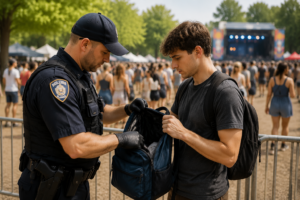
Under the Fourth Amendment to the United States Constitution, citizens are protected from unreasonable searches and seizures. In Ohio, this constitutional protection applies in a manner consistent with public safety regulations. Police officers can legally search a backpack or bag at a festival or public event under specific circumstances. Consent searches occur when an attendee voluntarily allows an inspection, whether by responding to a request at a checkpoint or submitting to the venue’s posted rules. Probable cause searches require that officers have a reasonable belief that the bag contains contraband, illegal items, or weapons. Exigent circumstances allow officers to act without consent or probable cause if there is an imminent threat to safety or evidence could be destroyed. Additionally, many public events in Columbus have security rules that require bag inspections as a condition of entry. Attending the event indicates your agreement to these rules.
Consent and the Role of Festival Rules
Most Columbus festivals clearly communicate bag inspection policies at entrances and on tickets or event websites. By entering the event, attendees generally give implied consent for security personnel to inspect their belongings. Consent is a critical concept because a search without either consent, probable cause, or an emergency is generally unlawful. Even when consent is implied, attendees retain the right to decline voluntarily. The practical consequence of refusal may be denial of entry rather than criminal liability. Cooperation during bag checks not only expedites entry but also reduces tension and prevents misunderstandings with law enforcement. Understanding that your agreement to the security rules is part of attending the event allows you to make informed choices and avoid confrontation while still protecting your legal rights.
Probable Cause Searches and Exigent Circumstances
Probable cause is a standard requiring reasonable grounds for belief that a bag contains prohibited or dangerous items. Law enforcement may act on visible items, behavior that raises suspicion, or tips from other officers. Exigent circumstances, on the other hand, permit immediate action without consent or probable cause. Examples include situations where an unattended bag appears to pose a threat, there is suspected illegal activity in progress, or delaying action could result in injury. Police officers at Columbus events are trained to assess threats and act within these legal frameworks. Understanding when these standards apply helps attendees recognize lawful actions versus potential overreach, which is critical if a search leads to charges or a dispute.
Learn what our clients have to say about the work of Sabol Mallory. If you have any questions or need legal help for a criminal charge, please reach out to us right away. Chase Mallory is incredible. He is wonderful to work with and knows exactly what to do to help his clients. Thank you from the bottom of my heart for all you've done for me. I highly recommend hiring Chase to help fight your battles. Bless you! Dan Sabol is probably the best attorney I've ever worked with. Very professional and worked hard to get the best results possible. He will be the first person I call if I need a lawyer again. If you find yourself in a sticky situation make sure you give him a ring. I had the pleasure of working with Dan and Chase and I am very grateful!! They did amazing work to help me on my case. They are very helpful and get back with you in a timely manner whenever I had questions for them, which was very nice and reassuring.Client
Testimonials
Practical Guidance for Navigating Bag Inspections
Attendees can take several steps to ensure a smooth and legally sound experience at public events in Columbus. First, review event policies regarding prohibited items, including weapons, alcohol, or large containers. Second, carry only essential items and keep your backpack accessible for inspection. Third, remain calm and courteous while cooperating with security personnel. Avoid physically resisting a search, as this can lead to additional charges even if the initial inspection is not fully justified. Fourth, if you feel your rights are violated, document the encounter by noting officers’ names, badge numbers, and the circumstances of the search. Maintaining composure and understanding your rights can prevent unnecessary complications and preserve evidence should legal intervention become necessary.
Security Checkpoints and Entry Procedures
Security checkpoints are a common feature at festivals, parades, and large gatherings in Columbus. Officers typically establish controlled entry points to manage crowd flow and reduce the risk of weapons or contraband entering the event. These checkpoints often include bag inspections, metal detectors, and visual assessments. Security personnel follow standardized procedures that prioritize safety while attempting to respect personal privacy. Bag checks at these checkpoints may include opening backpacks, examining contents, or using scanning devices. While it can feel intrusive, these measures are legally permissible under consent implied by attendance and are part of the broader duty of care owed by law enforcement and event organizers to all attendees.
Rights to Refuse and Alternatives
While attending an event usually implies consent to bag inspections, attendees may choose to refuse the search. This decision, however, comes with consequences. Refusal often results in denial of entry rather than criminal charges. Understanding this distinction allows individuals to make informed decisions about participation. Attendees may also consider alternatives such as leaving prohibited items at home or using official storage lockers if available. Planning ahead and knowing event requirements can help prevent conflicts with security personnel and ensure a safer, more enjoyable experience.
Legal Representation and When to Seek Help
In some instances, a search may uncover prohibited items, or disputes may arise regarding the legality of a search. If you are cited, detained, or charged as a result of a search, prompt legal guidance is essential. Attorneys with experience in criminal defense and OVI matters can evaluate whether the search was lawful, identify procedural violations, and build a defense strategy tailored to the specific circumstances. In Columbus, law firms like Sabol & Mallory LLC specialize in protecting individual rights during encounters with law enforcement and can provide representation in court proceedings related to searches at public events.
Long-Term Considerations for Attendees
Understanding your rights at public gatherings is not only relevant for individual events but also informs future interactions with law enforcement. Knowledge of the legal standards governing searches allows attendees to advocate for themselves effectively, reduce risks of escalation, and document incidents accurately. Being proactive—by reviewing event rules, carrying minimal items, and staying informed about state laws—can prevent misunderstandings and protect personal freedoms while participating in public events across Columbus, Ohio.
Internal Resources and Further Information
For individuals seeking additional guidance on related legal issues, several resources are valuable:
- Overview of OVI and DUI defense options: https://sabolmallory.com/ovi/how-to-avoid-a-felony-ovi-charge-in-ohio/
- Selecting a criminal defense attorney in Columbus: https://sabolmallory.com/post/choosing-a-criminal-defense-attorney/
- Understanding license suspension laws: https://sabolmallory.com/traffic-violation/understanding-license-suspension-laws-in-ohio-what-you-need-to-know/
These resources provide insight into local legal procedures, defense strategies, and regulatory frameworks that govern law enforcement interactions with citizens in Ohio.
Summary and Final Guidance
Security measures at festivals and public events in Columbus, Ohio, including bag searches, are designed to protect attendees while maintaining order. Knowing when police may lawfully conduct searches, understanding consent, probable cause, and exigent circumstances, and preparing ahead can make these encounters smoother. Cooperation and awareness of legal rights allow attendees to enjoy events safely and minimize legal risk. When complications arise, consulting experienced criminal defense attorneys ensures that your rights are protected, and any disputes over searches are properly addressed.
Disclaimer:
This information is provided for educational purposes only and is not legal advice. Consult a licensed attorney regarding your specific situation in Columbus, Ohio.


 |
  |