
Winter weather conditions can cause various vehicle malfunctions that increase the likelihood of wrongful traffic violations. These malfunctions, from malfunctioning car parts to slippery roads, are often misinterpreted, leading to unfair charges. In this piece, we will explore the risks involved and how you can defend yourself if such violations occur. If you find yourself facing these charges, it’s crucial to understand your legal options, and Sabol Mallory LLC is here to assist you.
Dan is the first attorney in Ohio to be both board certified in criminal trial law by the National Board of Trial Advocacy and be designated as a Lawyer Scientist by the American Chemical Society. Chase Mallory is a firm founder whom has tried over 40 cases and conducted more than 100 suppression hearings. He is a founding member of the DUI Defense Lawyers Association Kaitlyn O’Hara is a criminal defense lawyer who began her work in the court room long before she attended law school. In her first year as an attorney, she was counsel of record on five jury trials. Meet the lawyers who make up the legal team at Sabol Mallory LLC. Read their individual bios and get to know more about their education, experience and accolades.
Dan Sabol

Chase Mallory

Kaitlyn O'Hara
The Risks of Winter Driving and Vehicle Malfunctions 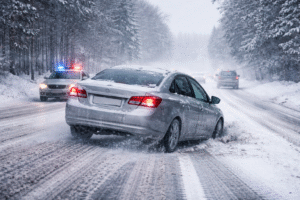
Winter weather presents a unique set of challenges for drivers. In places like Columbus, Ohio, where snow and ice can coat the roads for months at a time, vehicle malfunctions become an unavoidable risk. Sabol Mallory LLC understands the frustration of dealing with winter driving hazards, and the impact these can have on your driving record. While winter driving problems are common, they are often misunderstood when it comes to traffic violations.
The extreme cold during winter months causes several issues that can negatively affect a car’s performance. Ice and snow impair visibility, roads become slick, and cars are often less reliable in harsh weather conditions. The result? Drivers can find themselves in situations where their car doesn’t behave as expected, leading to violations that are beyond their control. Understanding these risks can help you better protect yourself from wrongful violations.
How Winter Conditions Affect Your Vehicle’s Performance
During winter, cars face many stressors that don’t occur in other seasons. The cold temperatures can freeze critical systems, and the icy conditions can impair traction. When your vehicle malfunctions, there is an increased likelihood of a traffic violation, even if the incident was entirely outside of your control. Let’s look at some of the most common winter-related malfunctions that might cause unexpected violations:
- Brake System Malfunctions
Cold temperatures can cause brake fluid to thicken, leading to slower response times and increased stopping distances. When this happens, it becomes much harder for a driver to stop quickly when necessary, which can result in being ticketed for failure to stop or running a red light, even if the malfunction was due to the cold weather. - Frozen Fuel Lines
In extreme cold, fuel lines can freeze, which can cause a car to stall unexpectedly. If this happens in a dangerous location, such as in the middle of an intersection, a driver might receive a citation for blocking traffic or failure to move their vehicle. The law may not take into account that the vehicle malfunctioned because of weather conditions. - Tire Traction Loss
As the temperatures drop, tire pressure also drops, which affects traction. On icy or snowy roads, this can lead to skidding, which could be mistaken for reckless or careless driving. If a driver loses control of their vehicle due to inadequate tires, they could be ticketed for a violation that they could not have prevented. - Battery Failures
Cold weather can also affect your car battery, causing it to lose charge more quickly than usual. A dead battery in the middle of a busy street can lead to a violation for obstructing traffic. However, it is not always obvious that the violation is caused by an underlying issue, such as a battery failure due to low temperatures.
Learn what our clients have to say about the work of Sabol Mallory. If you have any questions or need legal help for a criminal charge, please reach out to us right away. Chase Mallory is incredible. He is wonderful to work with and knows exactly what to do to help his clients. Thank you from the bottom of my heart for all you've done for me. I highly recommend hiring Chase to help fight your battles. Bless you! Dan Sabol is probably the best attorney I've ever worked with. Very professional and worked hard to get the best results possible. He will be the first person I call if I need a lawyer again. If you find yourself in a sticky situation make sure you give him a ring. I had the pleasure of working with Dan and Chase and I am very grateful!! They did amazing work to help me on my case. They are very helpful and get back with you in a timely manner whenever I had questions for them, which was very nice and reassuring.Client
Testimonials
Common Winter Traffic Violations Linked to Vehicle Malfunctions
There are several types of traffic violations that drivers are more likely to face during the winter due to vehicle malfunctions caused by cold weather conditions. These violations can lead to unfair fines and penalties, even though the driver had little control over the situation. Here are some common violations related to winter vehicle malfunctions:
1. Failure to Yield or Stop
Winter driving can often result in delayed braking, particularly if your brakes have malfunctioned due to cold weather. Even though you might try your best to stop in time, the icy conditions or malfunctioning parts can prevent you from coming to a full stop. This could lead to a citation for failing to stop at a stop sign or failing to yield at an intersection, despite not having control over the situation.
2. Reckless Driving
Slippery roads combined with malfunctioning vehicle parts may cause you to lose control of your car. If your vehicle slides or swerves, a police officer may mistakenly believe you were driving recklessly, even though the accident was entirely due to weather and vehicle failure. You might face a reckless driving ticket in such cases, despite being unable to avoid the situation.
3. Failure to Signal
If your vehicle’s electrical system fails in cold weather, it can cause your blinkers or hazard lights to stop working. In low-visibility conditions, you might be cited for failing to signal when changing lanes or making a turn, even though the malfunction was due to the cold weather.
4. Failure to Maintain Control
Lack of tire traction on snowy or icy roads is a common reason drivers lose control of their vehicles in winter. Losing control of your vehicle might result in a failure to maintain control citation, despite the fact that the lack of control was caused by weather-related conditions rather than driver negligence.
Defending Against Wrongful Traffic Violations
If you’ve received a traffic violation due to a winter-related vehicle malfunction, you may feel frustrated and helpless. However, it’s important to know that you don’t have to accept the ticket without contesting it. Below are a few steps you can take to help defend yourself against wrongful violations caused by winter conditions:
1. Document the Malfunction
Make sure to keep records of the vehicle malfunction. For example, if your vehicle’s brakes failed due to cold temperatures, get a mechanic’s report showing that the cold weather caused the malfunction. This documentation will help build your case if you need to dispute the violation.
2. Consult a Skilled Traffic Attorney
A traffic attorney can help you navigate through the legal process. A lawyer from Sabol Mallory LLC can assist in defending against wrongful tickets, particularly in situations where winter vehicle malfunctions caused the violation. Your attorney can help gather the right evidence and present a solid case in your defense.
3. Appeal the Violation in Court
If you believe the ticket was unfairly issued due to a vehicle malfunction, you can challenge the citation in court. Present your evidence, including any reports from a mechanic or witness testimony that supports your case. An experienced attorney can guide you through the appeals process to help you avoid unnecessary fines or penalties.
How Sabol Mallory LLC Can Help
If you are facing a wrongful traffic violation due to winter-related vehicle malfunctions, don’t hesitate to reach out to Sabol Mallory LLC. With extensive experience in handling traffic cases, our team can help you protect your rights and work toward the best possible outcome. Contact us today for a free consultation.
Winter weather introduces numerous challenges that can affect the performance of your vehicle, leading to accidents and traffic violations that are often out of your control. Whether it’s brake failure, frozen fuel lines, or tire traction loss, you need to be prepared to defend yourself against wrongful traffic violations. By consulting with an experienced attorney from Sabol Mallory LLC, you can take the right steps to fight against these unfair charges and ensure your driving record remains intact.
To learn more about this subject click here: How Police Determine “Probable Cause” During a Traffic Stop


 |
  |