
As the day before Thanksgiving, Blackout Wednesday in Columbus is one of the busiest nights for bars and social gatherings. However, the night is also known for increased traffic enforcement and impaired driving arrests. Ohio law enforcement is particularly vigilant during this night, keeping an eye on drivers who may be under the influence of alcohol or drugs. As a result, many drivers face stops for suspected OVI (Operating a Vehicle Impaired), a charge that has serious legal consequences in Ohio. Understanding the process of an OVI stop, as well as the legal procedures that accompany it, is essential for anyone planning to celebrate this night out.
In this article, we will break down what an OVI stop looks like under Ohio law, including how law enforcement officers identify impaired drivers, what your rights are during a stop, and how to respond if you are arrested.
What is OVI in Ohio? 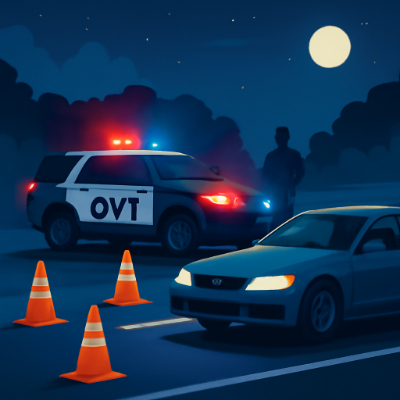
Operating a Vehicle Impaired, or OVI, is the Ohio equivalent of a DUI (Driving Under the Influence) charge. It refers to operating a vehicle while under the influence of alcohol, drugs, or a combination of both. Ohio law states that any driver with a blood alcohol content (BAC) of 0.08% or higher is considered legally impaired. However, an officer may arrest a driver for OVI even if their BAC is below 0.08% if they show signs of impairment through other means, such as erratic driving or failed field sobriety tests.
Drivers may face different levels of penalties depending on their BAC, whether it is a first or subsequent offense, and whether the driver has a history of OVI convictions. Penalties can range from fines and mandatory alcohol education classes to extended license suspension and jail time. Understanding how an OVI stop works is crucial, especially on a night like Blackout Wednesday when the likelihood of being pulled over is higher.
What to Expect During an OVI Stop in Columbus
If you are stopped by law enforcement on Blackout Wednesday in Columbus, it’s important to be aware of the steps involved in the OVI stop process. The officer will initially pull you over based on your driving behavior. Typical signs of impairment that law enforcement looks for include:
- Weaving or swerving between lanes
- Excessive speeding or driving below the speed limit
- Slowed or delayed response to traffic signals or signs
- Erratic braking, or hitting the brakes without cause
- Driving without headlights at night
- Failing to maintain a consistent lane position
If any of these behaviors are observed, the officer may have reasonable suspicion that you are impaired and will pull you over for further investigation.
The Field Sobriety Test
Once the officer has pulled you over, they will typically ask you to step out of your vehicle and may administer a series of field sobriety tests. These tests are designed to assess whether you are impaired and include:
- Horizontal Gaze Nystagmus (HGN) Test: The officer will ask you to follow a moving object (such as a pen or flashlight) with your eyes while keeping your head still. The officer is looking for any jerking or bouncing of your eyes, which may indicate alcohol consumption.
- One-Leg Stand Test: In this test, you will be asked to stand on one leg for a period of time while counting aloud. Difficulty balancing may indicate impairment.
- Walk-and-Turn Test: The officer will ask you to walk a straight line, turn around, and return while maintaining balance. If you struggle to maintain balance or follow instructions, it may be an indication of impairment.
These tests are subjective, and failure to perform them properly does not necessarily mean you are impaired. However, failing one or more of these tests may lead to an arrest for OVI.
The Breathalyzer Test and Refusal Consequences
During an OVI stop, if an officer suspects that you are impaired, they may request that you take a breathalyzer test. This test measures your BAC by analyzing your breath. If you agree to take the test, the officer will use a portable breath test (PBT) or have you submit to a more formal test at a police station.
Ohio law has an implied consent law, meaning that by operating a motor vehicle in the state, you have consented to taking a breathalyzer test if requested by law enforcement. Refusing to take the breathalyzer test may result in severe consequences, including:
- A 1-year license suspension for a first offense
- A 2-year license suspension for a second offense
- A 3-year suspension for a third offense
In addition to the license suspension, refusing to take the test can be used as evidence of guilt in court. For these reasons, it’s important to weigh the consequences before refusing a breathalyzer test.
What Are Your Rights During an OVI Stop?
During an OVI stop, you have certain rights that are protected by Ohio law. These rights include:
- The Right to Remain Silent: You are not obligated to answer questions about where you’ve been or whether you’ve been drinking. However, you must provide the officer with your driver’s license, registration, and proof of insurance upon request.
- The Right to Refuse Field Sobriety Tests: Ohio law allows officers to request field sobriety tests, but you have the right to refuse them. Keep in mind that refusal may lead to further suspicion of impairment and could result in your arrest.
- The Right to an Attorney: If arrested, you have the right to consult with an attorney before answering any additional questions. It’s highly recommended that you exercise this right to ensure your legal options are fully explained to you.
Penalties for OVI Convictions in Ohio
Ohio imposes strict penalties for individuals convicted of OVI. The severity of the penalty depends on factors such as BAC levels, prior OVI convictions, and whether there were aggravating circumstances. Some of the common penalties include:
- First Offense: Fines, mandatory driver’s education, a temporary license suspension (6 months to 3 years), and up to 6 months in jail (for higher BAC levels or other factors).
- Second Offense: Longer license suspension, a higher fine, mandatory alcohol or drug treatment programs, and possible jail time up to 1 year.
- Third or Subsequent Offenses: Longer jail time, permanent license revocation, large fines, and mandatory alcohol treatment programs.
The consequences of an OVI conviction are far-reaching, affecting everything from your job to your ability to travel freely. Additionally, you may face higher insurance premiums and a criminal record. For commercial drivers, an OVI conviction can also result in the loss of a commercial driver’s license (CDL) and the ability to work.
What to Do if You Are Arrested for OVI in Columbus
If you are arrested for OVI during Blackout Wednesday, it’s essential to understand your rights and take appropriate action. Here’s what you should do:
- Remain Calm: Do not argue with the officer. Cooperate and remain calm throughout the process.
- Contact an Attorney: OVI cases can be complex, and it’s crucial to seek legal counsel as soon as possible. An experienced attorney can review the details of your case, help protect your rights, and guide you through the legal process.
- Don’t Make Incriminating Statements: You do not have to speak to law enforcement beyond identifying yourself and providing necessary documentation. Anything you say could be used against you in court, so it’s essential to be cautious.
Blackout Wednesday is a night for celebration, but it’s also a time when Ohio law enforcement is on high alert for impaired drivers. If you are stopped for suspected OVI in Columbus, knowing your rights and understanding the legal procedures can help you navigate the situation. If you face OVI charges, it’s important to contact Sabol & Mallory Law Firm to help you understand your legal options and protect your future.
This article is for informational purposes only and is not legal advice. Consult an attorney about your specific situation.
To learn more about this subject click here: Can a First-Time OVI Charge Be Reduced in Ohio?



 |
  |